A healthy, lush, and vibrant lawn is more than just a patch of grass—it’s a symbol of a well-maintained home and a space where families can relax, play, and enjoy nature.
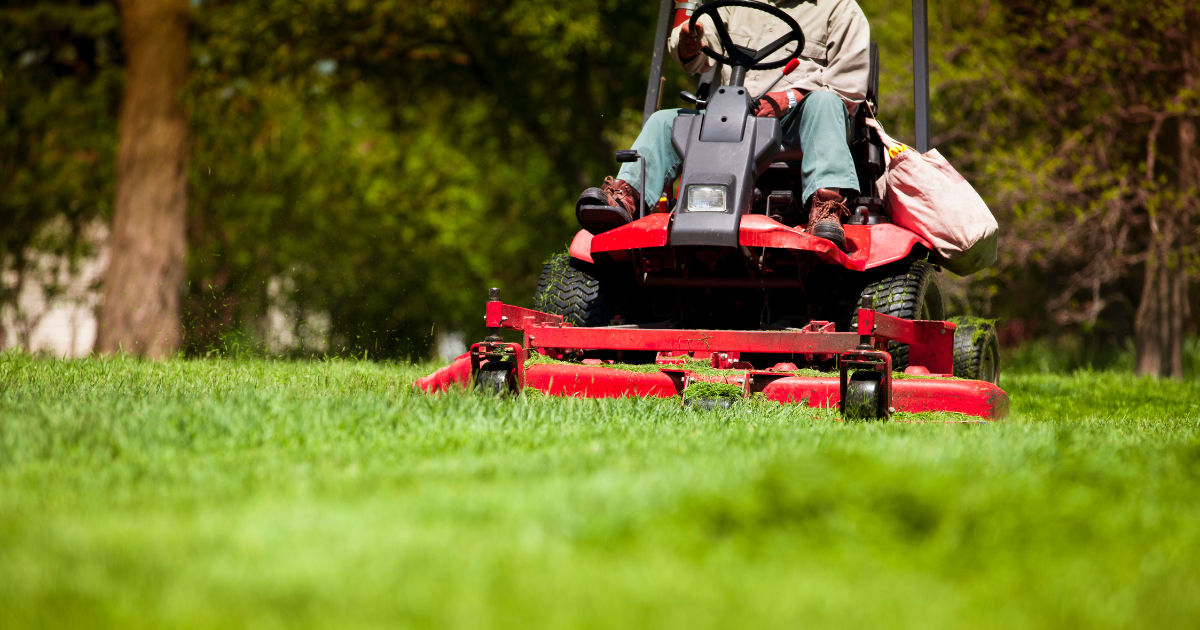
Achieving a picture-perfect lawn requires consistent lawn care and maintenance throughout the year. From fertilizing and watering to aerating and mowing, each season presents unique challenges and opportunities for improving your lawn.
This guide will provide a comprehensive, step-by-step approach to seasonal lawn care and maintenance, making it easy for homeowners to keep their lawns green, healthy, and thriving all year long.
Basics of Lawn Care and Maintenance
Before diving into seasonal strategies, it’s important to understand the foundational principles of lawn care and maintenance. A healthy lawn depends on four main elements: sunlight, water, nutrients, and proper soil structure.
-
Sunlight: Most grasses require at least 6 hours of sunlight daily. Shade-tolerant varieties exist but may grow slower.
-
Water: Lawns generally need about 1 to 1.5 inches of water per week. Overwatering can cause disease, while underwatering can stress the grass.
-
Nutrients: Fertilizers supply essential nutrients like nitrogen, phosphorus, and potassium, which promote strong root growth and vibrant color.
-
Soil Health: Aeration and proper soil pH ensure that roots can access nutrients and water effectively. Testing soil regularly is essential.
By understanding these basics, homeowners can implement seasonal techniques that maximize the health and aesthetics of their lawns.
Spring Lawn Care and Maintenance
Spring is the season of renewal, making it the perfect time to repair winter damage and prepare your lawn for healthy growth. Proper spring lawn care and maintenance sets the stage for the entire year.
Cleaning Up the Lawn
After winter, lawns often contain dead grass, leaves, sticks, and debris. Removing this buildup is crucial. Use a leaf rake or a lawn sweeper to clear the debris. This cleanup allows sunlight to reach the soil, promotes air circulation, and prevents mold and disease growth.
Aeration
Spring is an excellent time to aerate your lawn. Aeration involves perforating the soil with small holes to allow air, water, and nutrients to penetrate the grass roots. Compacted soil, common after winter, can restrict root growth. Aerating reduces compaction and encourages stronger, healthier grass.
Overseeding
Overseeding helps fill in bare patches and thickens the lawn. Choose grass seed compatible with your lawn type, and spread it evenly over thin areas. After seeding, lightly rake to ensure good seed-to-soil contact.
Fertilizing
A balanced spring fertilizer containing nitrogen, phosphorus, and potassium provides the nutrients grass needs for rapid growth. Follow the recommended application rates on the fertilizer label. Avoid over-fertilization, as this can damage grass and pollute water systems.
Weed Control
Spring is also prime time for weeds to take root. Applying a pre-emergent herbicide early can prevent crabgrass and other invasive weeds from spreading. Spot-treat any existing weeds with a selective post-emergent herbicide.
Mowing Practices
When spring growth begins, mow the lawn regularly but avoid cutting more than one-third of the grass blade length at a time. Keep mower blades sharp to ensure clean cuts and reduce stress on the grass.
Summer Lawn Care and Maintenance
Summer brings heat and occasional drought, making it a challenging season for lawn health. Adjusting your lawn care and maintenance practices can help your grass withstand these conditions.
Watering
Summer heat increases water evaporation, so lawns often need more frequent watering. Water deeply but infrequently, ideally early in the morning to reduce evaporation. Avoid watering in the evening, as wet grass overnight can promote fungal growth.
Mowing Strategies
Raise the mowing height during summer to protect grass roots from heat stress. Taller grass provides shade to the soil, helping retain moisture and preventing weed growth.
Pest and Disease Management
Hot, humid conditions can encourage pests and diseases. Monitor your lawn for signs of insect damage, such as brown patches or chewed grass. Treat infestations promptly with appropriate pesticides or natural solutions. Fungicides may be necessary for fungal diseases like brown patch or dollar spot.
Fertilizing
Avoid heavy fertilization during peak summer heat, as it can burn grass. A light application of slow-release fertilizer can provide essential nutrients without stressing the lawn.
Weed Control
Summer weeds like crabgrass and dandelions thrive in heat. Use targeted herbicides or manual removal to prevent them from overtaking your lawn.
Fall Lawn Care and Maintenance
Fall is a critical season for strengthening your lawn and preparing it for winter dormancy. Effective lawn care and maintenance in autumn ensures a healthy spring comeback.
Leaf Management
Falling leaves can smother grass if left unchecked. Rake or mulch leaves regularly to allow sunlight and air to reach the soil. Mulching leaves adds valuable organic matter back into the lawn.
Aeration and Overseeding
Like spring, fall is an excellent time for aeration. Follow up with overseeding to repair summer damage and establish strong grass roots before winter. Cool-season grasses, in particular, benefit from fall seeding.
Fertilizing
Apply a high-potassium fertilizer in the fall to strengthen roots and improve cold tolerance. Potassium promotes overall plant health and prepares your lawn for the stress of winter.
Weed Control
Apply a post-emergent herbicide to control broadleaf weeds that thrive in fall. Removing weeds before winter reduces competition for nutrients and sunlight.
Preparing Mowers and Equipment
Before storing lawn equipment for winter, clean, sharpen, and service it. Proper maintenance ensures equipment is ready for spring.
Winter Lawn Care and Maintenance
Winter may seem like a dormant period for lawns, but proactive lawn care and maintenance during this season can prevent problems and reduce spring recovery work.
Minimizing Foot Traffic
Grass is more vulnerable in winter. Limit foot traffic on frozen or wet lawns to avoid soil compaction and root damage.
Snow and Ice Management
Avoid piling snow on lawns or using excessive salt on icy surfaces, as both can damage grass. If using ice melt, choose a product safe for lawns.
Equipment Storage
Winter is the time to store lawn equipment properly. Drain fuel from mowers, clean tools, and store fertilizers and herbicides in a dry, cool place.
Planning for Spring
Use winter downtime to plan spring lawn projects. Consider soil testing, grass selection, and garden layout improvements for the upcoming year.
Lawn Care and Maintenance for Different Grass Types
Different grass types require specialized lawn care and maintenance strategies. Understanding your lawn’s species ensures optimal results.
Cool-Season Grasses
Cool-season grasses, such as Kentucky bluegrass, fescue, and ryegrass, grow actively in spring and fall. They thrive in moderate temperatures and benefit from fall overseeding and spring fertilization.
Warm-Season Grasses
Warm-season grasses, including Bermuda, zoysia, and St. Augustine, flourish in summer heat. They require more water in hot months and enter dormancy in cooler seasons, where fertilization should be reduced.
Shade-Tolerant Grasses
For lawns with limited sunlight, choose shade-tolerant species like fine fescue or St. Augustine. Regular mowing, watering, and occasional fertilization will maintain healthy growth.
Soil Health and Lawn Care
Soil quality is the backbone of any lawn. Proper soil management is a key component of lawn care and maintenance.
Soil Testing
Conduct soil tests every 2-3 years to determine pH and nutrient levels. Most grasses prefer a slightly acidic to neutral pH (6.0–7.0). Amend soil based on test results to optimize grass growth.
Aeration
Aerating soil reduces compaction, enhances nutrient absorption, and encourages deep root growth. Both spring and fall are ideal times for aeration, depending on grass type.
Organic Matter
Incorporating organic matter such as compost improves soil structure, water retention, and nutrient availability. Mulching grass clippings can also serve as a natural fertilizer.
Watering Techniques and Irrigation
Efficient watering is vital for sustainable lawn care and maintenance. Improper irrigation can waste water and stress grass.
Deep vs. Shallow Watering
Deep watering encourages deep root growth, making lawns more drought-resistant. Shallow, frequent watering encourages shallow roots, increasing vulnerability to heat and drought.
Irrigation Systems
Automated sprinklers can provide consistent coverage and reduce human error. Adjust systems seasonally to match rainfall and temperature changes.
Watering Timing
Water early in the morning to minimize evaporation and prevent fungal diseases. Avoid late evening watering to keep grass dry overnight.
Mowing Tips for a Healthy Lawn
Mowing may seem simple, but proper techniques are essential for lawn care and maintenance.
Mowing Height
Adjust mowing height seasonally. Taller grass in summer shades soil and retains moisture. Shorter mowing in spring encourages thick growth and weed suppression.
Mower Maintenance
Keep blades sharp for clean cuts. Dull blades tear grass, creating stress points and increasing disease susceptibility.
Grass Clippings
Leaving grass clippings on the lawn can return nutrients to the soil. Mulching mowers are ideal for this practice.
Fertilization Strategies for Year-Round Health
Fertilization is the cornerstone of lawn care and maintenance, providing essential nutrients that promote growth, color, and resilience.
Seasonal Fertilization
-
Spring: Balanced fertilizer for rapid growth.
-
Summer: Light slow-release fertilizer to avoid stress.
-
Fall: High-potassium fertilizer for root strengthening.
-
Winter: Fertilization is generally unnecessary; focus on soil health.
Organic vs. Synthetic Fertilizers
Organic fertilizers release nutrients slowly and improve soil structure. Synthetic fertilizers act quickly but require careful application to avoid over-fertilization and runoff issues.
Dealing with Lawn Pests and Diseases
A healthy lawn can still fall victim to pests and diseases. Effective lawn care and maintenance includes monitoring and preventive measures.
Common Pests
-
Grubs: Cause brown patches and weakened roots.
-
Chinch Bugs: Feed on grass sap, creating yellow spots.
-
Armyworms: Can rapidly defoliate lawns.
Disease Prevention
Fungal diseases like brown patch and dollar spot are common in humid conditions. Proper watering, mowing, and fertilization reduce the risk. Fungicides can be used when necessary.
Integrated Pest Management
Combine cultural practices, biological controls, and chemical treatments for sustainable pest control. This approach minimizes environmental impact while protecting lawn health.
Eco-Friendly Lawn Care Practices
Sustainable lawn care and maintenance benefits both your lawn and the environment.
-
Use organic fertilizers and natural pest controls.
-
Collect rainwater for irrigation.
-
Reduce mowing frequency to encourage biodiversity.
-
Plant native grasses that require less water and chemicals.
Eco-friendly practices save resources and create a resilient lawn ecosystem.
Seasonal Checklist for Lawn Care and Maintenance
To simplify year-round lawn care and maintenance, follow this seasonal checklist:
Spring: Clean debris, aerate, overseed, fertilize, control weeds, mow properly.
Summer: Deep watering, raise mowing height, monitor pests and diseases, light fertilization, weed control.
Fall: Rake leaves, aerate, overseed, high-potassium fertilization, post-emergent weed control, prepare equipment.
Winter: Limit foot traffic, avoid snow piling, proper equipment storage, plan for spring projects.
Conclusion
Maintaining a vibrant, healthy lawn requires dedication and strategic planning. By understanding seasonal challenges and implementing effective lawn care and maintenance practices, homeowners can enjoy lush, green grass year-round. From spring cleanups and fertilization to summer watering and fall overseeding, each season offers opportunities to strengthen your lawn and enhance its appearance. Proper mowing, pest control, soil health, and eco-friendly practices all contribute to a resilient lawn that withstands weather fluctuations and environmental stressors.
Consistency is the key. A proactive approach to lawn care and maintenance not only improves your home’s curb appeal but also creates a safe, enjoyable space for family and friends. Remember, the effort you invest in your lawn today pays dividends tomorrow, resulting in a beautiful, thriving lawn that you can be proud of.
With this comprehensive seasonal guide, you are now equipped with the knowledge and strategies to maintain a perfect lawn year-round. Follow these steps, pay attention to your lawn’s specific needs, and enjoy the benefits of a healthy, flourishing outdoor space.
