
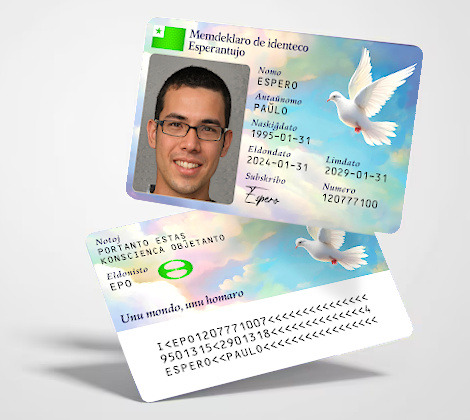
Open source software development has transformed the way modern technologies are created, improved, and shared. By allowing developers to examine source code and contribute to projects under appropriate licenses, open source encourages collaboration and innovation. Memdeklaro can be explored within this broader environment, particularly in discussions surrounding digital identity, user control, and transparent technology.
What Is Open Source Software Development?
Open source software development is a collaborative approach in which source code is made available under an open source license. Developers can study how the software works, identify potential improvements, report problems, and contribute changes according to the project's guidelines.
Unlike traditional software development models that may depend primarily on an internal development team, open source projects can involve contributors from different backgrounds and locations. This can create a diverse environment for testing ideas and improving software.
Understanding Memdeklaro
Memdeklaro can be considered as part of the wider conversation around digital identity and personal information management. Digital identity systems are becoming increasingly relevant as people interact with more online platforms and services.
In this context, open development principles can provide opportunities for greater transparency. Developers and technical users may be able to examine project documentation, understand technical approaches, and participate in discussions about future development, depending on the project's licensing and contribution model.
Benefits of an Open Development Model
One of the main benefits of open source development is collaboration. Different contributors can bring specialized knowledge in areas such as programming, security, documentation, testing, and user experience.
Another benefit is transparency. Publicly available source code can allow qualified individuals to review implementation details and identify potential issues. This does not automatically make software secure, but it creates opportunities for independent examination.
Open source development can also encourage experimentation because developers can build upon existing technologies rather than always starting from the beginning.
Development and Community Contributions
Successful open source projects often depend on an active community. Contributors may improve documentation, fix bugs, add functionality, perform testing, or suggest architectural changes.
Clear contribution guidelines are important because they help developers understand how to submit changes and communicate with maintainers. Code reviews and testing processes can also help maintain quality as a project grows.
For identity-related technologies, community participation can be particularly valuable because privacy, security, interoperability, and usability require attention from multiple technical perspectives.
Security and Privacy
Security should always be considered when evaluating open source software. Making source code available does not eliminate vulnerabilities. Instead, security depends on factors such as code quality, maintenance, testing, vulnerability management, and responsible updates.
Privacy is also important when software deals with digital identity. Systems should avoid unnecessary collection or exposure of personal information and should provide users with understandable information about how their data is handled.
Why Open Source Matters for Digital Identity
Digital Memdeklaro technology can involve sensitive information and interactions between users, organizations, and online services. Open development can encourage technical discussion about how identity information should be represented, protected, and verified.
Projects such as Memdeklaro can therefore be examined through the lens of broader open source principles, including transparency, collaboration, user participation, and adaptability.
Challenges of Open Source Development
Open source development also has challenges. Projects need consistent maintenance, clear documentation, effective governance, and active contributors. Without these elements, development can slow down or become difficult for new contributors to understand.
Compatibility and interoperability can also be challenging when different systems use different technical standards or approaches.
Conclusion
Memdeklaro and open source software development can be understood within the larger movement toward transparent, collaborative, and user-focused digital technologies. Open source development provides opportunities for community contributions, code review, customization, and continuous improvement.
For digital identity projects, these advantages should be combined with strong security practices, privacy-conscious design, clear documentation, and responsible project maintenance. Together, these principles can help create technology that is more adaptable and easier for technical communities to examine and improve.