
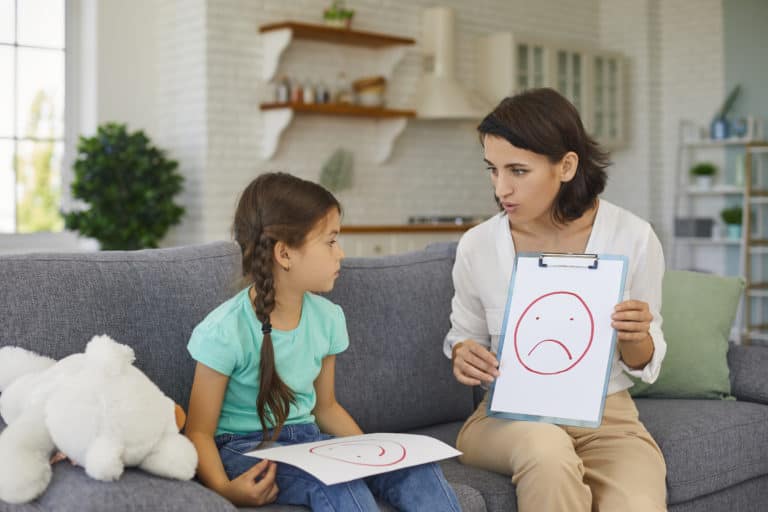
A safer future for children begins with people who are willing to understand the challenges young people can face and take meaningful steps to address them. Hope for Children Foundation was established with a purpose that continues to matter across families, schools, professional environments, and communities: helping people become better informed about child protection, violence prevention, and the resources available to those affected by difficult experiences. Since its beginnings in Dallas, Texas, in 1998, the foundation has developed a mission built around education, awareness, prevention, and cooperation. Its work recognizes that children can be affected by circumstances that are not always easy for adults to identify, making knowledge an essential part of protection. By encouraging people to learn about warning signs, understand responsible responses, and recognize the importance of early intervention, hope for children becomes connected to practical community action. The organization’s broader purpose is not simply to raise awareness for a moment but to encourage an ongoing commitment to creating environments where children can feel safer, families can access useful information, and professionals can respond with greater confidence and understanding.
Education remains one of the most important tools in the foundation’s approach because informed people are better positioned to recognize concerns and make responsible decisions. Many serious issues involving children and families can remain hidden when people do not know what signs to look for or where to turn when something appears wrong. Hope for Children Foundation addresses this challenge by providing educational materials and free online learning resources that can be accessed by people with different responsibilities and experiences. Its educational content can help parents and caregivers understand prevention while also providing valuable information for teachers, counselors, medical professionals, advocates, and other individuals who may interact with children. The availability of more than 25 free educational videos and resources demonstrates an effort to make useful information available without creating unnecessary barriers. For those who believe in hope for children, education offers a practical starting point because knowledge can influence awareness, conversations, decisions, and actions. When adults become more informed, they can create stronger protective environments and become more prepared to respond when a child or family needs support.
The need for education becomes particularly important when communities face issues such as child abuse, sexual assault, domestic violence, human trafficking, and other forms of violence. These subjects can be difficult to discuss, but avoiding them does not remove the risks associated with them. Hope for Children Foundation encourages greater understanding of these challenges so that individuals and professionals can approach them with knowledge rather than uncertainty. Its work recognizes that prevention requires more than a single response after harm has occurred. It involves helping people understand how harmful situations can develop, how vulnerable individuals may be affected, and how responsible intervention can make a difference. Survivors and families may also need compassion, practical information, and access to appropriate resources as they move through difficult circumstances. By encouraging awareness among different groups, the organization supports a broader model of protection in which people are prepared to listen, recognize concerns, and connect those in need with appropriate assistance. This approach gives hope for children a deeper meaning because it focuses on creating conditions where young people can be protected before problems become more severe while also ensuring that those already affected are not forgotten.
Collaboration is another important element in creating safer communities for children. No single profession or organization can address every challenge connected to child protection and violence prevention. Parents and caregivers may notice changes at home, teachers may observe behavior in educational settings, healthcare professionals may encounter concerns during treatment, and counselors or advocates may provide support during difficult periods. Law enforcement officers, judges, prosecutors, and attorneys can also have important responsibilities when serious cases require formal intervention. Hope for Children Foundation seeks to support this wider network by providing educational information that can help different groups better understand their roles. When professionals and community members share knowledge, communication can become more effective and responses can become more coordinated. The principle of hope for children is strengthened when people recognize that protecting young people is a shared responsibility rather than a task belonging to one particular group. Stronger communities are built when individuals are willing to learn from one another, recognize the importance of their own responsibilities, and work toward common goals that place the safety and wellbeing of children at the center.
The foundation’s history and broader vision also demonstrate why long-term commitment matters. Since 1998, its work has been connected with efforts to educate people about prevention and intervention while reaching audiences beyond a single local community. Its historical reach has extended throughout all 50 states and into more than 41 countries, reflecting the wider relevance of information about child safety and violence prevention. The organization has also presented a vision for a major national initiative designed to strengthen awareness and education over an extended period. Such a vision recognizes that meaningful social progress rarely happens through one campaign or one conversation. It requires consistent education, sustained cooperation, responsible leadership, and communities that remain willing to address difficult subjects. For people searching for hope for children, this long-term perspective offers an important reminder that positive change can be developed gradually. Every educational resource shared, every professional trained, every family supported, and every community member who becomes more informed can contribute to a larger culture of prevention and protection.
Community support can help sustain this kind of work and allow educational and preventive efforts to reach more people. Individuals who care about child wellbeing can participate in many ways, including learning about prevention, sharing reliable resources, supporting nonprofit initiatives, and encouraging constructive conversations about child safety. Hope for Children Foundation operates as a nonprofit organization recognized as a 501(c)(3), reflecting its role as an organization that depends on community engagement and support to continue its mission. Financial contributions can assist nonprofit efforts, but involvement can also take the form of awareness, education, professional participation, and responsible advocacy. When people understand that their actions can influence the wellbeing of children and families, they may become more willing to take part in positive community efforts. The idea of hope for children grows stronger when awareness becomes shared rather than isolated. A parent who learns something valuable can pass that knowledge to another parent, a professional can apply new understanding in their work, and a community organization can introduce useful information to people who may not otherwise encounter it. In this way, individual efforts can gradually become part of a much larger movement toward prevention.
Ultimately, the mission of hope for children Foundation reflects a simple but powerful belief: children deserve communities that are informed, attentive, compassionate, and prepared to protect them. Its work combines education, prevention, professional awareness, survivor-focused support, and collaboration to encourage a more informed response to serious challenges affecting children and families. The foundation’s journey since 1998 shows the value of maintaining attention on issues that require both courage and consistency. Hope for Children Foundation invites people to see education not merely as information but as a resource that can influence real decisions and potentially improve outcomes for vulnerable individuals. The continuing message of hope for children is about more than optimism; it is about giving people the knowledge and encouragement to participate in meaningful change. Every person who learns, listens, supports, shares, or takes responsible action can contribute to a safer environment for young people. When families, professionals, educators, advocates, and communities move forward together, hope for children becomes an active commitment to building a future in which every child has greater opportunity to grow with dignity, security, and confidence.