
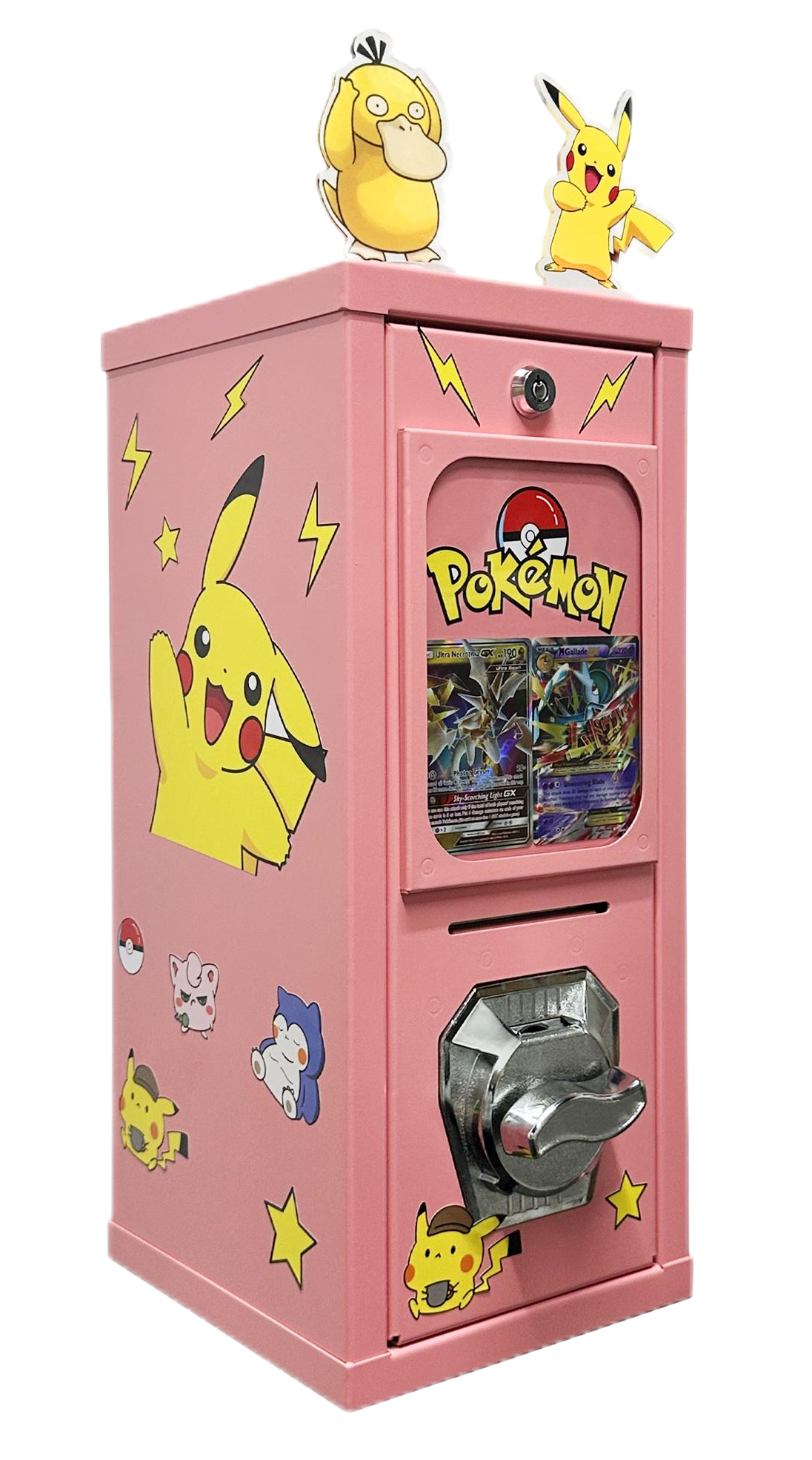
Vending machines are a present part of modern life, providing quick and easy get at to snacks, drinks, and even electronics. However, the journey of the hawking machine from a simple physical science device to the high-tech machines we use today is a fascinating one. These machines have evolved significantly over the geezerhood, from their humble beginnings to becoming an necessary part of commerce worldwide. In this article, we ll search the history of peddling machines acha, from their first innovation to their flow and time to come innovations pokemon Vending machine.
The Origins of Vending Machines
The account of hawking machines can be derived back to the first known machine-controlled simple machine that distributed products. The soonest known peddling simple machine was fictional in the first A.D. by Hero of Alexandria, an ancient Greek organise and mathematician. This device, known as a”coin-operated holy water ,” was designed to automatically release a sounded total of holy irrigate in exchange for a coin. Although primitive person by Bodoni standards, this invention laid the groundwork for hereafter automatic systems.
The next substantial in the history of vending machines came in the 1880s in London. The first commercial message hawking machine was introduced by Percival Everitt, a British inventor. This machine distributed postcards, allowing customers to quickly buy out them without needing a . While this was a simple vending simple machine, it pronounced a pivotal step in the conception of peddling mechanization.
The Rise of Vending Machines in the 20th Century
Vending machines began to gain popularity in the early 1900s in the United States. The first American vending machine was introduced in 1888 by the Thomas Adams Gum Company, which distributed chew gum. This pronounced the beginning of the general commercialisation of hawking machines, which evolved to dispense with various products, including cigarettes, candy, and soda.
The early 20th saw a surge in the development of hawking machines in public spaces such as train stations, airports, and schools. These machines offered to consumers who sought to buy products apace without having to interact with a lay in clerk. The advent of coin-operated hawking machines made them even more accessible, as they didn t need a to help the dealings.
In the 1930s and 1940s, vendition machines started to diversify. In summation to snacks and beverages, new types of peddling machines began offer items like sandwiches, hot java, and even newspapers. This was also the era when peddling machines began to be viewed not just as a novelty but as a practical business model. As they became more advanced, they allowed businesses to serve customers in areas that were not easily available, thus expanding the reach of goods.
The Golden Age of Vending Machines
The post-World War II era is often referred to as the”golden age” of vendition machines. By the 1950s and 1960s, vending machines had become a staple fibre of modern font life, especially in workplaces, schools, and public areas. The development of more hi-tech applied science, such as the introduction of the first refrigerated peddling machines, made it possible to sell cold beverages like soda and bottled irrigate.
During this time, vendition machines also started to expand into new product categories. For example, in the 1960s, the first peddling machine that distributed hot food was introduced. This machine could suffice products like pizza, hot dogs, and other warm meals, allowing customers to fresh hot food at their convenience. The general use of vending machines continuing to grow as a leave of their power to offer promptly, accessible, and affordable food and beverages.
Modern Vending Machines and Technology
As engineering science high-tech in the late 20th and early 21st centuries, hawking machines also underwent substantial upgrades. The integration of whole number engineering science allowed for more interactive and competent machines. Touchscreen interfaces, credit card readers, and cashless payment options became standard features in many modern font peddling machines. This made buying items even more accessible for consumers, especially in a cashless bon ton.
In the early 2000s, there was a leading light shift toward better vendition options. With ontogeny concerns over obesity and unhealthy eating habits, many vendition machine operators began to offer healthier snacks, such as fruits, nuts, and protein bars, alongside traditional snacks. This shift was a reply to dynamic consumer preferences, as people became more health-conscious and wanted alternatives to syrupy and high-calorie foods.
Moreover, vending machines began to diversify further. In summation to food and beverages, machines started to sell , cosmetics, and even clothing. Companies like Apple and Best Buy introduced vending machines that sold products such as headphones, ring accessories, and even smartphones. These machines offered for consumers looking to purchase tech items apace and without the need to travel to a retail stack away.
The Future of Vending Machines
Looking in the lead, the time to come of peddling machines is set to be even more original. Emerging technologies such as factitious tidings(AI), simple machine encyclopaedism, and the Internet of Things(IoT) are expected to play a John R. Major role in transforming the vendition industry. AI-powered hawking machines could individualise the client see, offer production recommendations supported on premature purchases or preferences.
Another exciting development is the rise of”smart” peddling machines. These machines are wired to the cyberspace, allowing operators to supervise inventory levels in real-time, restock products more expeditiously, and even volunteer promotions to customers through Mobile apps. This could importantly reduce and check that pop items are always available to consumers.
Additionally, with the growing curve of sustainability, time to come peddling machines could boast eco-friendly options, such as machines that use renewable energy, perishable packaging, or volunteer more sustainable production choices. Vending machines may also become part of a big ache city substructure, where they are seamlessly organic with other wired services and platforms.
Conclusion
The history of peddling machines is a story of unbroken conception and version. From their humiliate beginnings in ancient Greece to their Bodoni personification as high-tech, cashless, and different machines, peddling machines have come a long way. Today, they suffice as a symbolisation of convenience, offering quickly and easy get at to a wide straddle of products. As applied science continues to develop, hawking machines are likely to become even smarter, more efficient, and more integrated into our lives. Whether you’re grabbing a nosh, purchasing a phone courser, or ordering a hot meal, vendition machines are here to stay, continually formation the way we waste products and interact with engineering.