Author: Millermarker

Erotic Massage: Exploring the Sensual World of Intimate TouchErotic Massage: Exploring the Sensual World of Intimate Touch

Erotic massage is an intimate practice that blends the art of sensual touch with the benefits of relaxation, pleasure, and emotional connection. It is an experience that transcends the traditional concept of massage, focusing on awakening sensuality, building trust, and enhancing the bond between partners. Erotic massage is a beautiful way to reconnect with your body, engage in mindful touch, and explore both individual and shared desires.

While the practice is often associated with sexual arousal, it is much more than a simple prelude to intimacy. Erotic massage is about exploring the many layers of sensuality, relaxation, and emotional connection, fostering a deeper understanding of both oneself and one's partner.

This article explores what erotic massage is, the benefits it offers, the techniques involved, and how it can help deepen emotional and physical intimacy in relationships.

What Is Erotic Massage?

At its core, erotic massage is a form of bodywork that incorporates sensual touch to enhance pleasure and intimacy. It involves slow, deliberate, and mindful touch with a focus on creating heightened sensations and deep connection. Unlike traditional massage, which primarily aims to alleviate tension and improve circulation, erotic massage is centered on exploring the body’s sensual responses and building intimacy between partners.

The practice is not just about achieving physical pleasure—it’s about being present with your partner, honoring each other’s boundaries, and taking time to explore your desires in a safe, consensual environment. Whether performed with oils, candles, or soft music, erotic massage encourages couples to be fully present in the moment, enhancing connection, trust, and relaxation.

The Benefits of Erotic Massage

The physical and emotional benefits of erotic massage are vast, contributing to both individual well-being and the strengthening of relationships. Here are some key advantages of incorporating erotic massage into your intimate life:

1. Fosters Deeper Emotional Connection

Erotic massage creates a unique space for emotional intimacy to flourish. It allows partners to connect on a deeper level by offering vulnerability, trust, and attentiveness. The act of giving and receiving touch without the pressure of achieving sexual intercourse can encourage open communication, where both individuals feel free to express their desires, preferences, and boundaries. As a result, couples often experience a closer, more emotionally connected bond.

2. Promotes Relaxation and Stress Relief

Similar to traditional massage techniques, erotic massage can help alleviate muscle tension and reduce stress. The slow, deliberate strokes used in the practice help calm the nervous system, allowing both partners to relax fully. Additionally, the mindfulness required in erotic nuru massage helps people stay present in the moment, reducing anxiety and promoting a deep sense of tranquility.

3. Increases Sensual Awareness and Pleasure

Erotic massage helps individuals become more attuned to their bodies and enhances their ability to feel pleasure. Through mindful touch, the recipient becomes more aware of the physical sensations that arise during the massage, creating a stronger connection to their own sensuality. The technique also focuses on erogenous zones—the areas of the body that are particularly sensitive to touch—creating an opportunity to explore physical pleasure in new ways.

4. Strengthens Communication and Trust

One of the most essential aspects of erotic massage is communication. Before, during, and after the massage, it’s important for both partners to openly discuss boundaries, desires, and preferences. This level of communication helps establish trust, allowing both individuals to feel comfortable and safe. Erotic massage becomes a form of mutual exploration, where the focus is not solely on the giver or the receiver but on the shared experience.

5. Boosts Body Confidence

For many individuals, erotic massage offers an opportunity to embrace their bodies in a positive and loving way. The gentle, affirming touch encourages self-love and acceptance, helping individuals feel more comfortable in their own skin. Whether solo or shared with a partner, erotic massage fosters a sense of body positivity, contributing to increased confidence and a greater appreciation for one’s physical form.

Essential Techniques for Erotic Massage

The art of erotic massage involves specific techniques that promote relaxation, pleasure, and connection. The following are some of the most common methods used to enhance the experience:

1. Long, Fluid Strokes

Long, flowing strokes are the foundation of erotic massage. Using the palms, forearms, or entire hands, the giver applies slow and steady pressure along larger areas of the body, such as the back, legs, and arms. The key is to maintain a smooth, rhythmic pace that allows the receiver to relax and absorb the sensation. These strokes help relieve tension, encourage relaxation, and build anticipation for more intimate touch.

2. Circular Movements

Circular motions are excellent for stimulating specific areas of the body, especially on the shoulders, neck, lower back, and thighs. These motions are often performed with the palms or fingertips, and they can range from gentle to firm, depending on what feels most pleasurable. The circular technique can help release tight muscles and increase blood flow while heightening sensitivity in areas that are more responsive to touch.

3. Feather-Light Touches

Feather-light touches involve lightly brushing the skin with the fingertips. These soft, delicate strokes create a tingling sensation and increase sensitivity. This technique is particularly effective on erogenous zones such as the inner thighs, neck, or lower abdomen. The light touch builds anticipation and excitement, drawing attention to areas of the body that are highly responsive to sensual touch.

4. Focus on Erogenous Zones

Erogenous zones are parts of the body that respond more intensely to touch and can enhance sexual arousal. Common erogenous zones include the neck, breasts, inner thighs, and genitals. Erotic massage often focuses on these areas, applying gentle or firmer pressure to stimulate them. By focusing on these sensitive regions, erotic massage helps increase pleasure and excitement, leading to a more intense and satisfying experience.

5. Synchronizing Breathing

Breathing together with your partner helps create a rhythmic flow to the massage. By synchronizing your breath, you enhance the connection and make the experience feel more unified and mindful. Slow, deep breaths promote relaxation and create a sense of unity between partners. This practice helps both the giver and the receiver stay present and connected throughout the massage.

Creating the Perfect Environment for Erotic Massage

To fully enjoy the benefits of erotic massage, it’s important to set the right atmosphere. The right environment can enhance relaxation, sensuality, and intimacy, allowing both partners to fully immerse themselves in the experience. Here are a few tips for creating a space conducive to erotic massage:

2. Promotes Relaxation and Stress Relief

0

Dim or soft lighting is ideal for creating a relaxing and intimate atmosphere. You can use candles to add a warm, sensual glow to the room. The flickering light not only sets the mood but also provides a calming, soothing effect. You may also opt for soft, ambient lighting or use lamps with low wattage bulbs to keep the space cozy and inviting.

2. Promotes Relaxation and Stress Relief

1

Music plays an important role in setting the tone for an erotic massage. Choose soft, instrumental music or calming ambient sounds that help soothe the mind and enhance relaxation. Avoid anything too upbeat or jarring, as it may distract from the experience. Music should be soothing, allowing you and your partner to focus on the sensations of touch and the shared intimacy.

2. Promotes Relaxation and Stress Relief

2

Essential oils can add a fragrant dimension to the massage experience. Lavender, ylang-ylang, sandalwood, and jasmine are popular oils for their relaxing and aphrodisiac qualities. You can use an essential oil diffuser or mix the oils with your massage lotion to create a calming atmosphere. The right scent can enhance the sensuality of the massage and promote relaxation.

2. Promotes Relaxation and Stress Relief

3

Ensure that the space is comfortable and relaxing. Use soft blankets, pillows, or cushions to create a cozy environment. The surface you choose—whether it’s a bed, a mat, or a massage table—should be comfortable for both individuals. Adjust the room temperature to ensure it’s neither too hot nor too cold, as physical discomfort can distract from the experience.

Conclusion: Erotic Massage as an Invitation to Intimacy and Connection

Erotic massage is much more than a physical experience—it’s an invitation to deepen emotional intimacy, explore sensuality, and strengthen the connection between partners. It’s a practice that encourages open communication, trust, and vulnerability, all while allowing both individuals to experience physical pleasure in a mindful, respectful way.

Whether done alone or with a partner, erotic massage provides a safe space for self-exploration and mutual enjoyment. By engaging in this practice, individuals and couples can foster greater body awareness, emotional closeness, and sexual fulfillment. The key is to be present, communicate openly, and approach the experience with an open heart and mind, allowing the sensual energy to flow freely and fully.
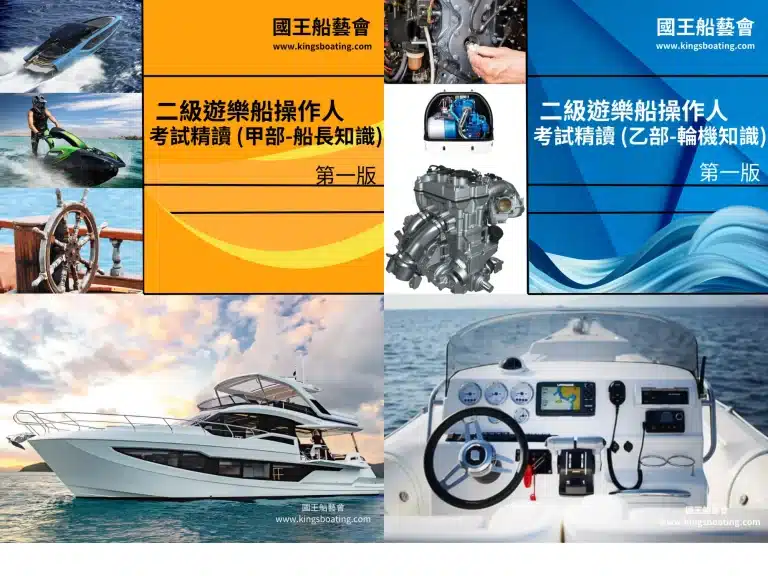

Boat Boating Certify: Your Requirement Steer To Safe And Sound BoatingBoat Boating Certify: Your Requirement Steer To Safe And Sound Boating


Boating is a favorite interest for hazard seekers, families, and professionals likewise. It allows you to search rivers, lakes, and coastal areas while enjoying the exemption of the open irrigate. However, operational a boat safely requires more than just it requires grooming, noesis, and effectual authorisation. A Boat or Boating Licence ensures that boaters understand navigation rules, safety measures, and emergency procedures, creating a safe for everyone on the irrigate.

What Is a Boating Licence?

A Boating Licence is an official certification issued by politics government that allows individuals to operate a boat de jure. It confirms that the holder has consummated proper preparation in yachting refuge, seafaring, and reply. Licensing rules by commonwealth, but in most places, motored boats above a certain size or great power require a licence.

Having a certify not only ensures submission with the law but also reflects competency and responsibleness. It can better access to policy coverage and provides reassurance to dude boaters and regime that you are equipt to wield your watercraft safely.

Types of Boat Licences

Boating licences vary depending on the vessel type and resolve:

Recreational Boating Licence For subjective use, leisure trips, sportfishing, or family outings.

Commercial Boating Licence Required for professional person operations, such as tours, charters, or transfer services.

Personal Watercraft(PWC) Licence For jet skis and other small motorised vessel.

International Certificate of Competence(ICC) Recognized internationally, allowing licenced operators to voyage unnaturalised Ethel Waters.

Choosing the license ensures you are skilled for your particular yachting activity.

Who Needs a Boating Licence?

A yachting certify is typically needful for individuals who:

Operate motored boats above a certain engine size or H.P..

Use boats for commercial message purposes.

Navigate thermostated or qualified waterways.

Even in cases where a licence is facultative, it is powerfully suggested. Holding a licence improves safety, fosters responsible for boating practices, and gives you confidence on the irrigate.

How to Get a Boating Licence

The process to incur a boating licence usually involves:

Boating Safety Course Learn about navigation, refuge, and emergency procedures.

Written Exam Test your understanding of boating laws, rules, and regulations.

Practical Assessment Demonstrate your ability to safely operate a boat.

Application and Fees Submit necessary documents and pay the licensing fee.

Receive Your Licence Once authorised, you are de jure authorized to operate your vessel.

Following these stairs ensures that you are equipt for safe and responsible for yachting.

Boating Safety Tips

Even with a license, safety must continue a top precedence. Always wear a life jacket, brave conditions, and carry emergency such as flares, fire extinguishers, and first aid kits. Avoid intoxicant while boating, stick to travel rapidly limits, and respect other vessels. Practicing causative boating not only protects you and your passengers but also promotes a safe for all water users.

Licence Renewal

Boating licences typically have a set validity period of time and require sporadic replacement. Renewal may need refresher course courses or updated assessments to insure noesis of current refuge regulations and seafaring rules. Keeping your certify flow helps keep off sound penalties and ensures ongoing competence while on the irrigate.

Conclusion

A Boat Boating 二級遊樂船牌課程 is a indispensable prerequisite for anyone who wants to yachting safely and lawfully. It equips operators with the cognition and skills necessary to voyage waterways with confidence while protecting themselves, their passengers, and others. Whether for recreation or commercial use, obtaining a licence is the first step toward a safe, enjoyable, and causative yachting see. Enroll in secure courses, nail your assessments, and procure your certify to make every water jeopardize memorable.

Understanding SIM Cards: The Key to Mobile ConnectivityUnderstanding SIM Cards: The Key to Mobile Connectivity

In today's digital age, mobile phones have become an essential part of everyday life, allowing us to stay connected with others, access the internet, and navigate through the world with ease. Behind this connectivity is a small but crucial piece of technology: the SIM card. While most people use their phones daily without giving much thought to SIM cards, understanding what they are and how they work can help us appreciate the intricate system that makes modern mobile communication possible.

What is a SIM Card?

A SIM card (Subscriber Identity Module) is a small, removable smart card that is inserted into mobile phones and other devices to provide cellular network access. The SIM card stores information that uniquely identifies the subscriber to the network, including the user's phone number, service plan, and other network-specific data. The card itself contains a microprocessor, which enables the phone to connect to the mobile network and authenticate the user’s identity.

The History of the SIM Card

The concept of the SIM card dates back to the early 1990s, with the first SIM cards being introduced by the European Telecommunications Standards Institute (ETSI) as part of the GSM (Global System for Mobile Communications) standard. Before the SIM card, mobile phones were often tied to a specific carrier, and it was difficult to switch service providers. The introduction of SIM cards allowed users to easily switch between phones and carriers by simply transferring the card, which revolutionized mobile communication.

Types of SIM Cards

Over the years, SIM cards have evolved in size and functionality. There are several types of SIM cards, and the one used in your device depends on the model and technology used. The most common types include:

  1. Standard SIM Card: The original size of the SIM card, now largely obsolete in most modern smartphones.

  2. Micro SIM Card: A smaller version of the standard SIM card, introduced to accommodate the increasingly compact designs of smartphones.

  3. Nano 數據卡 Card: The smallest form factor, used in most modern smartphones. It is about 40% smaller than the micro SIM.

  4. eSIM (Embedded SIM): Unlike traditional SIM cards, an eSIM is embedded directly into a device and cannot be removed. It allows for greater flexibility, enabling users to switch networks without physically changing the SIM card. eSIM technology is gradually becoming more common in smartphones, tablets, and wearables.

How SIM Cards Work

A SIM card contains a small microprocessor, which communicates with the mobile phone and the carrier’s network. The key function of the SIM card is to store your International Mobile Subscriber Identity (IMSI), a unique identification number assigned to each mobile user. When you insert your SIM card into a phone and turn it on, the device communicates with the network’s base stations to authenticate your identity using the IMSI. Once authenticated, you can make calls, send texts, and access the internet, depending on your service plan.

In addition to the IMSI, a SIM card stores other information such as:

  • Authentication keys: These are used to secure communication between the device and the network.
  • Phonebook contacts: Some SIM cards allow users to store contacts directly on the card.
  • Text messages: Older SIM cards could store SMS messages, though most modern phones now store them in internal memory.
  • Service provider information: Your carrier’s network settings and preferences are often saved on the SIM.

Importance of SIM Cards

The SIM card is crucial for a number of reasons:

  1. Network Access: It allows users to access the mobile network, whether for voice calls, texts, or internet browsing.
  2. Security: The SIM card helps secure your communication by storing encryption keys and ensuring that only authorized users can access the network.
  3. Portability: By removing the SIM card and inserting it into another compatible device, users can easily switch between phones without losing their phone number or service.
  4. Global Roaming: When traveling abroad, a SIM card allows you to access local networks by either using international roaming or purchasing a local SIM card for cheaper rates.

Switching SIM Cards and Compatibility

Switching SIM cards is generally a straightforward process. However, there are a few things to consider before swapping:

  1. SIM Lock: Some mobile phones, particularly those purchased from a specific carrier, may be locked to that carrier’s network. In such cases, the SIM card from another carrier may not work unless the device is unlocked.
  2. SIM Size: Ensure that the size of the SIM card (Standard, Micro, Nano) is compatible with your device. If not, adapters or a new SIM card may be required.
  3. eSIM Compatibility: For newer devices that support eSIM, you may need to activate it through your carrier or use a QR code provided by the network provider to switch between operators.

The Future of SIM Cards

The future of SIM cards is moving towards eSIM technology, which eliminates the need for physical SIM cards altogether. eSIMs are smaller, more flexible, and allow for multiple carrier profiles to be stored on a single device. This is particularly beneficial for travelers who may need to switch between different carriers without the need to physically change SIM cards.

With the rise of 5G technology and the increasing demand for connected devices such as wearables and IoT (Internet of Things) devices, eSIMs are expected to play an even more significant role in the future of mobile communication. They offer greater convenience and flexibility, allowing users to easily switch between different carriers or data plans with just a few taps.

Conclusion

In summary, the SIM card is a small but essential piece of technology that has revolutionized mobile communication. It serves as the gateway between your device and the mobile network, enabling you to make calls, send messages, and access the internet. Whether it's a traditional SIM card, a micro SIM, or the newer eSIM, this tiny card ensures that we remain connected in a world that thrives on instant communication. With the continued evolution of mobile technology, the SIM card’s role will likely continue to evolve, providing even more flexibility and convenience for users worldwide.

Toys: Building Tomorrow’s Innovators, One Play at a TimeToys: Building Tomorrow’s Innovators, One Play at a Time

Toys have been an integral part of childhood for as long as anyone can remember, but their role in the development of young minds is often underestimated. What might seem like simple objects of play are, in fact, powerful tools that shape creativity, learning, and emotional intelligence. From dolls and action figures to building blocks and educational robots, toys provide a framework for children to explore, imagine, and understand the world around them. As we continue to progress into an era of technology, toys are evolving too, offering opportunities to prepare children for the future in ways never before imagined.

The Evolution of Play: More Than Just Entertainment

Historically, toys were basic and natural. Early toys like wooden blocks, simple dolls, or balls were often made from materials children could find around them. These early toys were more than just diversions—they were vehicles for learning and creativity. Fast forward to today, and the toy industry is a billion-dollar global sector that encompasses everything from high-tech gadgets to environmentally friendly, handcrafted items. Despite these changes, the core purpose of toys has remained constant: they provide opportunities for children to learn through play.

In their simplest form, toys are tools for children to understand their environment, practice skills, and explore their imaginations. Children naturally engage with toys in a way that mirrors real-life experiences. When a child stacks blocks, they’re practicing balance and fine motor skills. When they use a toy truck to navigate an imaginary terrain, they’re honing their spatial awareness and problem-solving skills.

The Role of Toys in Cognitive Development

Cognitive development is one of the key areas that toys impact. As children play, they engage in complex processes such as critical thinking, memory, logic, and problem-solving. Simple toys like puzzles, games, and building blocks provide children with opportunities to work through challenges and practice patience.

For example, when a child plays with a jigsaw puzzle, they learn how to recognize patterns, develop spatial reasoning, and solve problems. Similarly, when playing with construction toys like LEGO sets, children practice sequencing and organization, skills that are fundamental in mathematics and engineering. The open-ended nature of these toys encourages children to think creatively and experiment with different possibilities, fostering an environment where innovation thrives.

Toys that encourage exploration and experimentation, such as science kits or mechanical sets, also help children understand fundamental concepts in physics, biology, and chemistry. By manipulating these toys, children see the cause-and-effect relationships that shape our world, sparking curiosity about how things work.

Nurturing Emotional Intelligence Through Play

Toys also play an important role in helping children develop emotional intelligence (EQ). When children interact with dolls, action figures, or stuffed animals, they often assign human-like qualities to these objects. This process of anthropomorphism allows children to explore feelings such as love, anger, joy, and empathy in a safe, controlled environment.

Imaginative play, such as creating stories with toys or role-playing scenarios, provides children with an opportunity to practice handling social situations. For instance, a child who pretends to be a doctor may learn about empathy and compassion by caring for a "patient." A child who acts out a family dynamic with dolls or action figures learns about relationships and emotional expression.

Additionally, toys that involve group play, like board games or sports equipment, teach children how to cooperate, negotiate, and handle winning and losing. These experiences lay the foundation for strong social skills, which are crucial for future success both personally and professionally.

Technology and the Future of Play

The introduction of technology has transformed the toy landscape in remarkable ways. In today’s world, children can play with interactive robots, use educational apps on tablets, or even engage with augmented reality (AR) toys that blend the physical and digital worlds. These tech-based toys not only entertain but also provide opportunities for learning that are dynamic and personalized.

For instance, toys like coding robots or interactive STEM kits allow children to engage with concepts like programming, engineering, and artificial intelligence at an early age. These tools foster skills that will be essential in the future, as we move towards an increasingly technology-driven world. Teaching children to code through play is a perfect example of how toys can serve as gateways to higher-order thinking and digital literacy.

Yet, while digital toys offer a range of new opportunities for learning and engagement, experts agree that the balance between digital and physical play remains crucial. Digital toys can be incredibly educational, but they should not replace the tactile, imaginative play that traditional toys offer. Combining the best of both worlds—interactive learning and classic hands-on creativity—ensures that children’s developmental needs are met in a balanced and comprehensive way.

Social Play: How Toys Foster Collaboration and Connection

Toys also play a significant role in developing social skills. When children play together, they learn how to communicate, share, and cooperate. Board games, team-based sports, and group activities all require children to work together toward a common goal, teaching them valuable lessons about teamwork, collaboration, and problem-solving.

For example, when children play a board game, they not only learn about following rules and taking turns, but they also practice patience and handling disappointment. These skills are essential as they grow into individuals who will need to navigate the complexities of social and professional relationships later in life.

Toys that encourage cooperative play, such as building toys that require multiple people to complete a structure, provide further opportunities for socialization and group dynamics. In a time when digital communication and virtual play are becoming increasingly common, physical lego 限量版 that foster in-person interaction remain vital to children’s social development.

The Impact of Sustainable Toys

In recent years, sustainability has become a growing concern within the toy industry. With increasing awareness about environmental issues, parents and toy manufacturers alike are focusing on reducing the ecological footprint of toys. Sustainable toys made from natural, biodegradable, or recycled materials are becoming more popular as a response to growing concerns about plastic waste and the carbon footprint of production.

Parents today are more likely to choose toys that align with their values, opting for eco-friendly options that promote sustainability. These sustainable toys not only help the planet but also teach children the importance of environmental stewardship. Eco-friendly toys made from wood, organic cotton, or recycled plastic are examples of how the toy industry is embracing a more sustainable future.

Conclusion: Toys as Foundations for Future Innovation

Toys are far more than just fun distractions. They are instrumental in shaping how children think, behave, and interact with the world. Whether through imaginative play, educational games, or social interactions, toys provide the building blocks for a child’s development. As technology advances and our understanding of child development grows, toys continue to evolve, opening up new possibilities for learning, creativity, and exploration.

The future of toys is bright, and it promises even more opportunities to foster creativity, critical thinking, and social intelligence. Whether it’s through STEM-based toys, sustainable designs, or interactive experiences, toys will continue to serve as an essential tool for developing tomorrow’s innovators, leaders, and thinkers. From the simplest doll to the most advanced educational robot, toys remain a powerful force in shaping the minds and futures of the next generation.

The Power of Customized Tees: A Fashion Statement and BeyondThe Power of Customized Tees: A Fashion Statement and Beyond

T-shirts have long been a wardrobe staple for people of all ages, offering comfort and versatility. But in recent years, customized tees have evolved from a simple, casual garment to a powerful tool for personal expression, branding, and even social movements. With the ability to incorporate unique designs, slogans, logos, and artwork, customized tees have become a canvas for creativity and identity. Whether for personal use, business purposes, or events, custom tees offer a range of benefits that make them stand out in the world of fashion.

1. Personalization as a Form of Expression

In a world where individuality is celebrated, customized tees offer the perfect opportunity to make a personal statement. Whether you want to showcase a favorite quote, display an artistic design, or express a political or social viewpoint, a custom tee allows you to wear your personality on your sleeve—literally. Customization gives you complete control over your shirt's design, letting you experiment with colors, fonts, and imagery that resonate with your style and beliefs.

For example, a person might create a shirt with a slogan that reflects their sense of humor or a graphic that represents a cause they care about. Custom tees give people a way to express themselves in a fun, non-verbal manner that can spark conversations, inspire connections, and even change minds.

2. Memorable Gifts for Every Occasion

Customized tees have become increasingly popular as thoughtful, personal gifts. Instead of opting for a generic store-bought item, a custom tee adds a layer of sentimentality and uniqueness to your gift-giving. Whether it's for a birthday, anniversary, or just as a token of appreciation, a personalized t-shirt shows that you’ve put time and effort into selecting something special.

For example, a custom t-shirt featuring a beloved quote from a favorite book or movie, or one with an inside joke, is sure to bring a smile to the recipient's face. Customized tees are particularly well-suited for family events, like reunions, or group celebrations, where the entire family or team can wear matching shirts that celebrate shared experiences and memories.

3. Branding and Promotional Power for Businesses

Customized tees are not just for personal use; they’ve also become a powerful tool for businesses to boost their brand presence. Whether you’re a startup, a small business, or a large corporation, custom t-shirts are an affordable and effective way to promote your brand. A simple logo, catchy slogan, or creative design printed on a t-shirt can turn it into a walking advertisement that spreads your brand message wherever it goes.

Many businesses distribute custom tees at events, conferences, or trade shows as giveaways, building customer loyalty while raising brand awareness. Employees sporting branded tees also serve as brand ambassadors, showcasing your company’s logo wherever they go. In the age of social media, customized tees can be an integral part of influencer marketing, with people wearing your brand’s shirts in online photos and videos, giving you a broad reach and more exposure.

4. Creating Unity Through Customization

Customized tees are also an excellent way to foster unity and a sense of community within groups or organizations. Whether it’s a sports team, a non-profit organization, or a company, wearing matching customized t-shirts can create a strong bond among members. It’s not just about the design on the shirt; it’s about the shared identity and purpose that the design represents.

For instance, custom tees are often worn by sports teams to create team spirit and solidarity, whether they’re playing on the field or supporting each other off the field. Non-profits also frequently use custom t-shirts to create awareness for causes or during fundraising events. By sporting a common shirt, members can feel connected to one another and to the larger mission they’re supporting.

5. Sustainability and Ethical Choices

As consumers become more eco-conscious, the demand for sustainable fashion is growing. Many companies that offer 制服訂購 tees now provide eco-friendly options, such as shirts made from organic cotton, recycled polyester, or bamboo. These options allow individuals to customize their shirts without compromising their commitment to sustainability. Choosing eco-friendly materials for your custom t-shirt is a small but impactful way to make a difference, helping to reduce waste and the carbon footprint of the fashion industry.

Additionally, many companies that specialize in customized apparel use ethical manufacturing practices, ensuring that workers are paid fair wages and treated with respect. By choosing brands that prioritize sustainability and ethical production, consumers can make a conscious choice to support environmentally responsible fashion.

6. The Power of Custom Tees in Social Movements

Customized tees have also played a significant role in social and political movements. From protest slogans to messages of empowerment, custom t-shirts have been used as a form of activism, allowing individuals to voice their opinions and support causes that matter to them. A simple t-shirt with a powerful message can act as a catalyst for conversation and awareness, spreading a message to a larger audience.

For example, in recent years, many people have used custom tees to show support for social justice movements, environmental causes, and equality campaigns. The widespread use of these shirts helps amplify the voices of those advocating for change, giving them a platform to be seen and heard.

7. The Convenience of Online Design Tools

Gone are the days of needing specialized skills to create a custom t-shirt. With the rise of online design platforms like Custom Ink, Teespring, and Printful, creating a customized tee is easier than ever. These websites offer intuitive design tools that let you upload your own artwork or use their library of images, fonts, and templates to create a one-of-a-kind design.

The process is incredibly user-friendly, allowing you to adjust the design, choose from a variety of shirt styles, and select the perfect color before placing an order. Some platforms even offer bulk discounts for larger orders, making it easy for teams, groups, or organizations to create custom apparel for an event or special occasion.

8. A Timeless Trend with Enduring Popularity

While fashion trends often change, the custom t-shirt has proven to be a timeless staple. It’s a fashion piece that’s here to stay—whether you're dressing casually for the day or dressing up with accessories. A custom tee can be dressed up with a blazer or paired with jeans for a relaxed, everyday look. The beauty of a customized tee is that it never goes out of style, and its versatility ensures that it can be adapted to suit any occasion or trend.

Moreover, custom tees can be passed down through generations as cherished items that hold sentimental value. Family reunion shirts or shirts with memorable designs can become keepsakes that evoke nostalgia and fond memories for years to come.

9. Conclusion: A Custom Tee for Every Purpose

The custom tee has evolved far beyond its humble beginnings as a simple garment. Today, it’s a vehicle for personal expression, branding, and activism, offering individuals and businesses alike a chance to stand out in the most creative and meaningful way possible. Whether you’re creating a shirt for a special occasion, promoting a business, or using it as a tool for social change, customized tees offer unlimited possibilities.

With the added benefits of comfort, sustainability, and convenience, it’s clear that the custom tee is more than just a passing trend—it’s a powerful statement in the world of fashion and beyond. So, whether you’re designing your own tee or buying one that speaks to you, there’s no denying that customized tees will continue to make waves in the fashion world for years to come.